Traditional Handloom Frames in Assam: Preserving a Proud Weaving Legacy
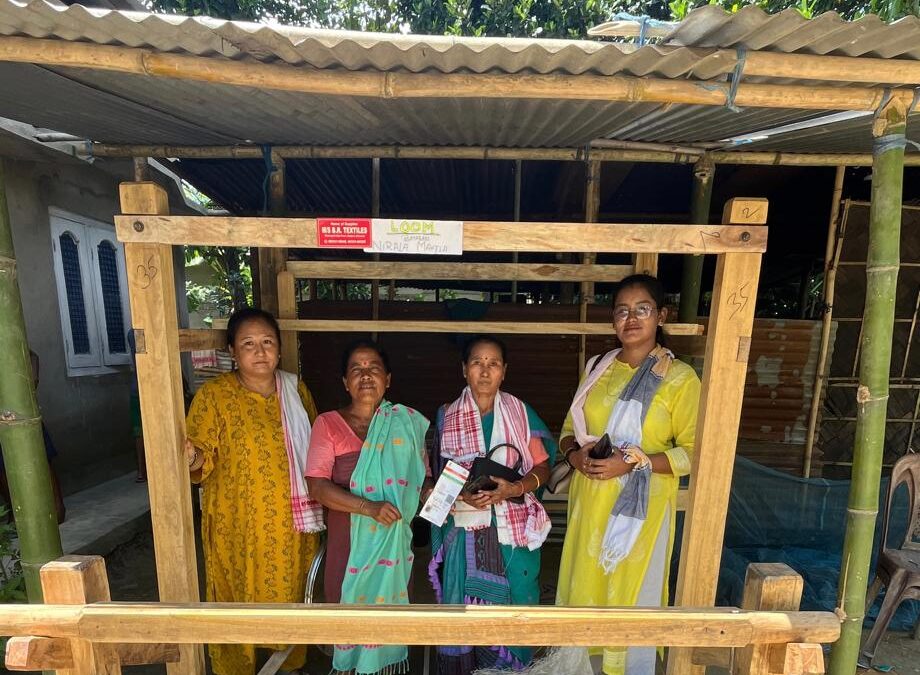
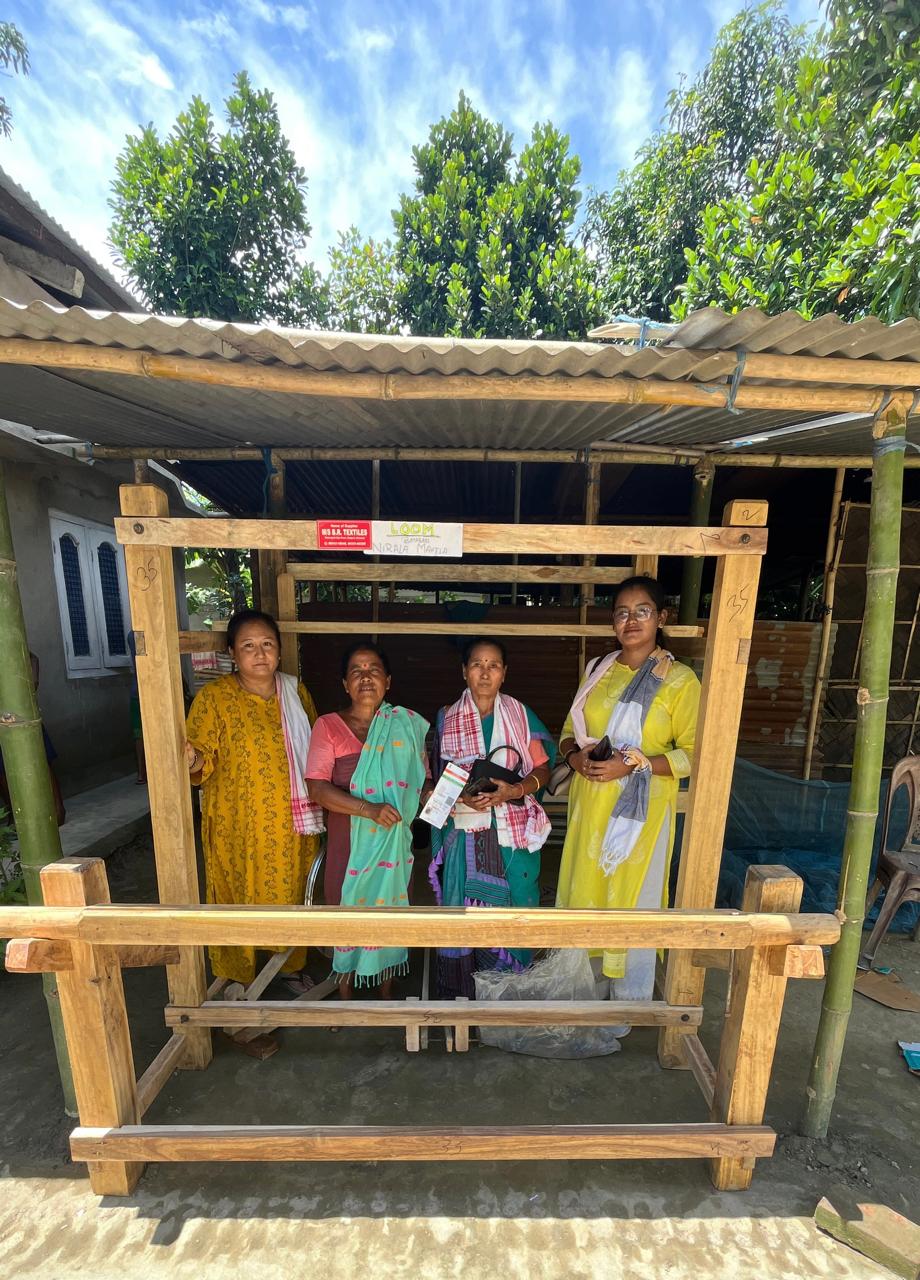
Assam is one of India’s most culturally rich states, and its handloom tradition stands as a symbol of identity, pride, and artistic excellence. Traditional handloom frames in Assam are not merely wooden structures—they are the foundation of a centuries-old weaving culture that continues to thrive in homes and villages across the state.
From elegant mekhela chadors to world-famous silk fabrics, Assam’s handloom industry reflects craftsmanship passed down through generations.
The Heritage of Handloom Weaving in Assam
Handloom weaving in Assam is deeply rooted in tradition. Almost every rural household once owned a loom, and weaving was considered an essential skill for women. The art form is closely connected with Assamese festivals, especially Bihu, where traditional garments woven on handlooms are proudly worn.
The weaving culture of Assam gained global recognition due to its unique silk varieties such as:
-
Muga Silk – Known for its natural golden shine
-
Eri Silk – Popular for its softness and warmth
-
Pat Silk – Famous for its glossy texture
These fabrics are produced using traditional handloom frames designed specifically to handle delicate silk threads with precision.
Types of Traditional Handloom Frames in Assam
Traditional Assamese looms are primarily made from durable local wood and are crafted to ensure stability, smooth operation, and long-term use.
1. Throw Shuttle Loom
This is the most commonly used traditional loom in Assam. The shuttle carrying the thread is passed manually from one hand to another. It is ideal for weaving intricate traditional designs found in Assamese textiles.
2. Fly Shuttle Loom
An advanced version of the throw shuttle loom, the fly shuttle loom increases weaving speed and productivity while maintaining handcrafted quality. It is widely used in semi-commercial weaving setups.
3. Backstrap Loom
Used especially by tribal communities in Assam, this portable loom is lightweight and simple in construction. It allows artisans to weave traditional shawls and fabrics even in small spaces.
Key Components of Assamese Handloom Frames
A traditional handloom frame in Assam consists of several important parts:
-
Wooden frame structure
-
Warp beam and cloth beam
-
Reed and heald shafts
-
Shuttle and bobbin
-
Treadles for foot control
Each component plays a vital role in ensuring precise weaving and consistent fabric quality.
Importance of Traditional Handloom Frames in Assam
Traditional handloom frames contribute significantly to Assam’s social and economic landscape:
Cultural Identity
Handloom weaving is deeply connected with Assamese traditions and customs. The mekhela chador, gamusa, and other garments are cultural symbols woven with pride.
Women Empowerment
In many rural areas, weaving provides financial independence to women and supports household income.
Sustainable Production
Handloom weaving consumes minimal electricity and promotes eco-friendly textile production.
Employment Generation
Thousands of artisans across Assam depend on handloom weaving for their livelihood.
Challenges and the Way Forward
Despite its cultural importance, Assam’s handloom sector faces challenges such as competition from power looms, rising raw material costs, and limited access to wider markets. However, growing awareness about sustainable fashion and handmade products is opening new opportunities.
With proper marketing, branding, and modernization of traditional handloom frames, Assam can strengthen its position in both national and international textile markets.
Conclusion
Traditional handloom frames in Assam represent dedication, heritage, and artistic excellence. They are not just tools of weaving—they are instruments of culture and economic empowerment. Preserving and promoting these handloom traditions ensures that Assam’s rich textile legacy continues to shine for generations to come.
Supporting Assamese handloom means supporting craftsmanship, sustainability, and the spirit of tradition woven into every thread.